


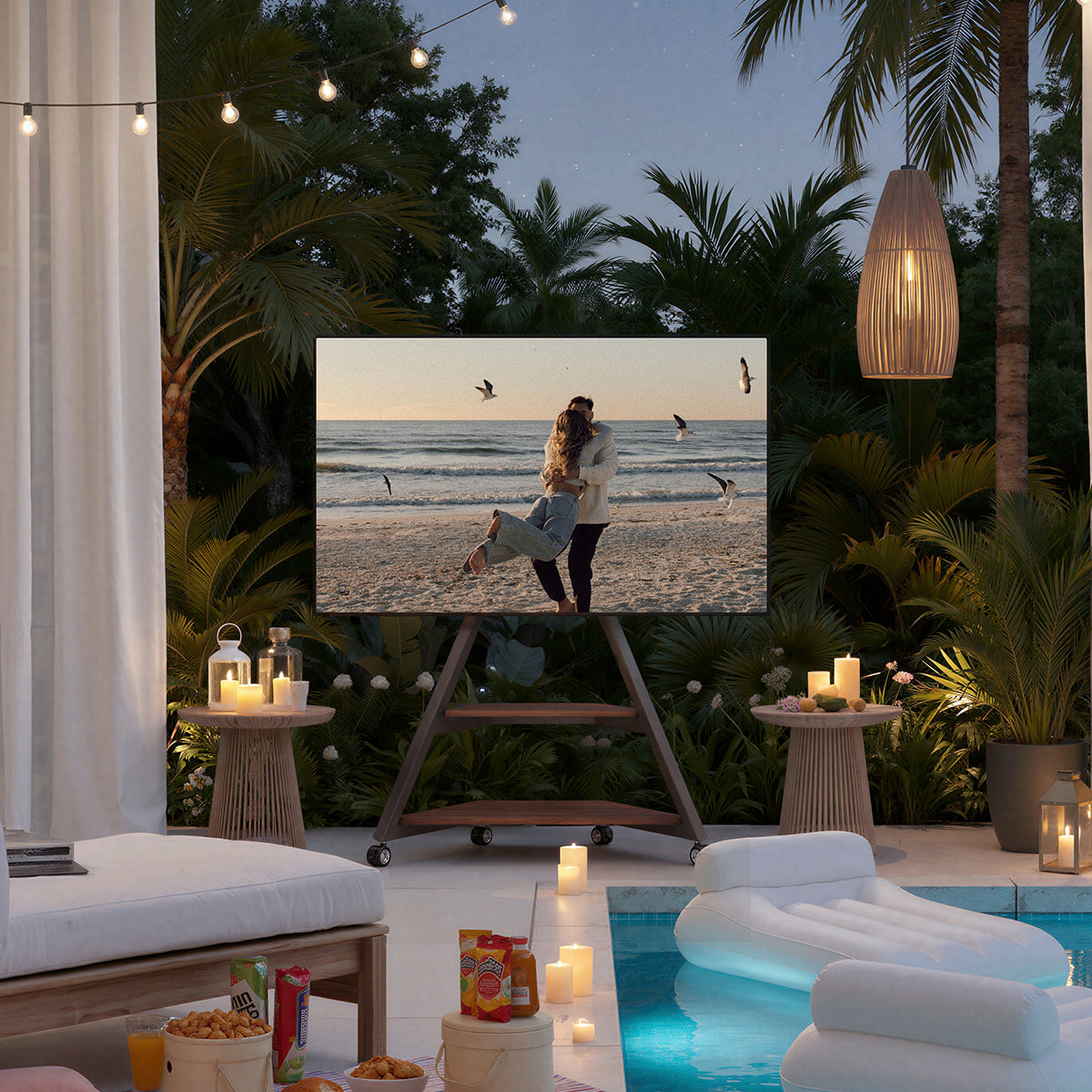
Outdoor spaces are no longer simply an extension of the home — they have become an essential part of everyday living. By 2026, more homeowners and flat dwellers are redefining their balconies, terraces, and gardens as multifunctional areas for relaxation, entertaining, and even working outdoors. Whether you have a compact balcony or a spacious garden, the right layout and a few smart additions — such as a flexible TV stand — can transform your outdoor space into something both stylish and practical, without expensive renovations or weeks of construction work.
This guide offers practical outdoor design ideas for every type of space and shows you how to create a comfortable, elegant outdoor area that perfectly suits your lifestyle.
Step 1: Define How You Will Use the Space Before Planning
Before choosing outdoor furniture or décor, the most important first step in any redesign project is understanding how the space will actually be used. Without clear planning, it is easy to fill the area with pieces that may look attractive individually but fail to work together as a cohesive design.
Ask yourself the following questions first:
- Will this area mainly be used for relaxation and downtime?
- Will the space be used for outdoor dining or garden gatherings with friends?
- Do you want an entertainment zone or an outdoor cinema setup?
- Does the space need to serve multiple purposes at different times of the day?
For example, a small balcony works best as a private retreat, while a larger garden can easily accommodate a dining area, lounge space, and a dedicated entertainment corner — ideally complemented by a flexible TV stand. Defining the purpose in advance ensures that every element of your outdoor redesign serves a function and that no square metre is wasted.
Step 2: Balcony Design Ideas – Make the Most of Every Square Metre
Because balconies are usually limited in size, balcony design should focus on maximising the available space.
- Choose lightweight, foldable furniture. Compact folding chairs and small bistro tables can be stored away when not in use, helping the area feel more open and uncluttered.
- Think vertically. Wall planters, hanging shelves, and vertical garden frames reduce floor-level clutter while adding greenery and visual interest without sacrificing valuable space.
- Design around a central focal point. Avoid overcrowding a small balcony with too many elements. Instead, build the layout around one core feature — a cosy seating area, reading corner, or compact entertainment setup.
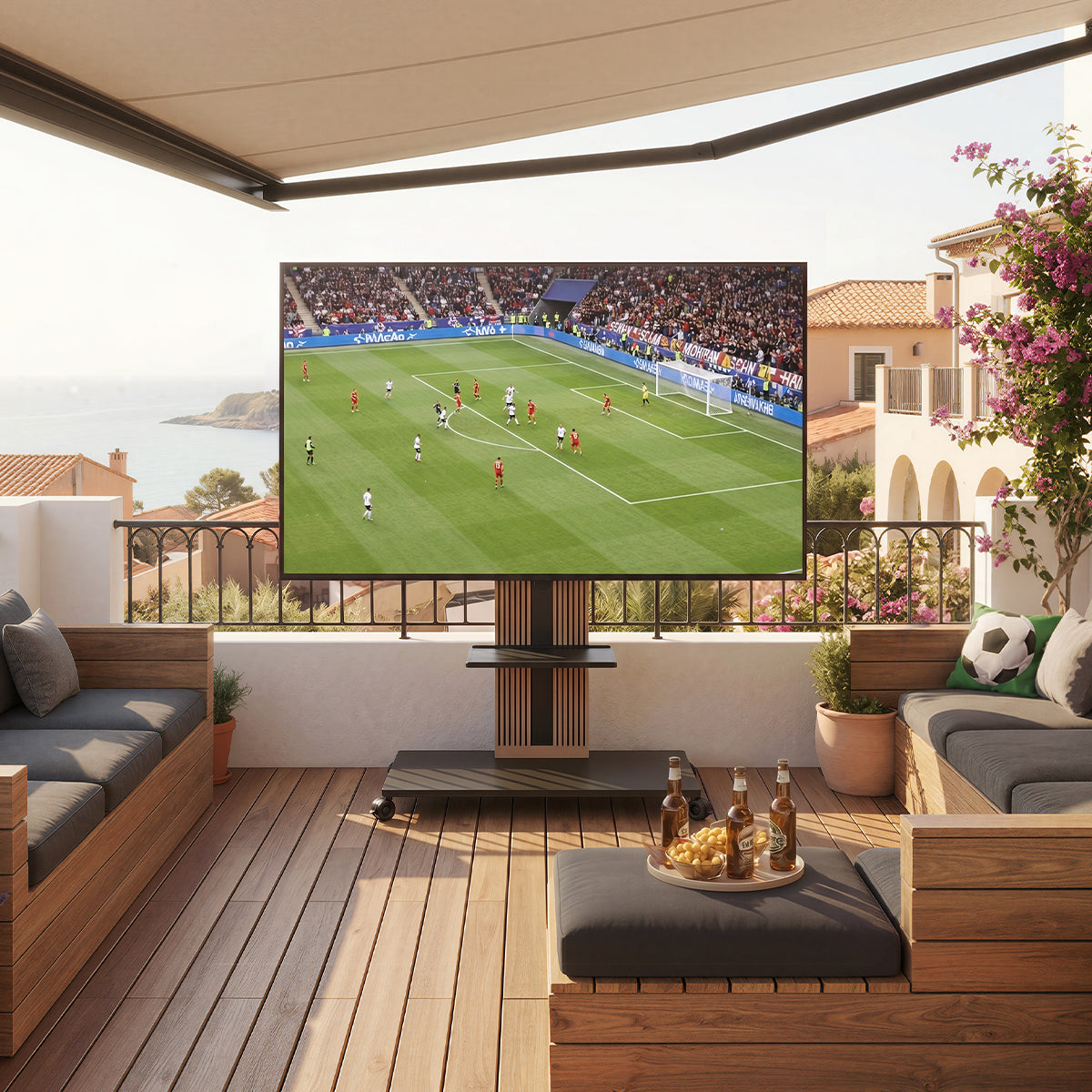
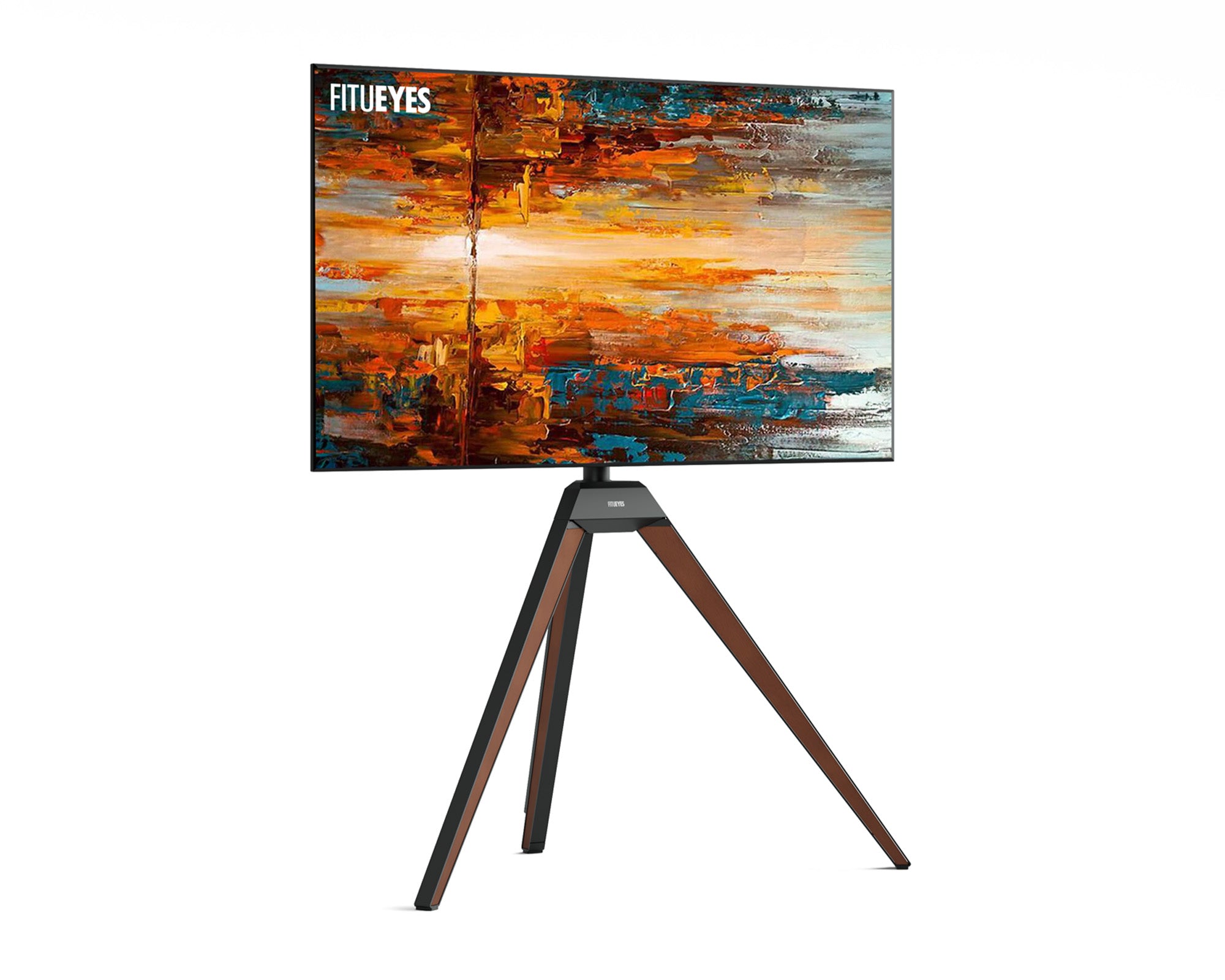
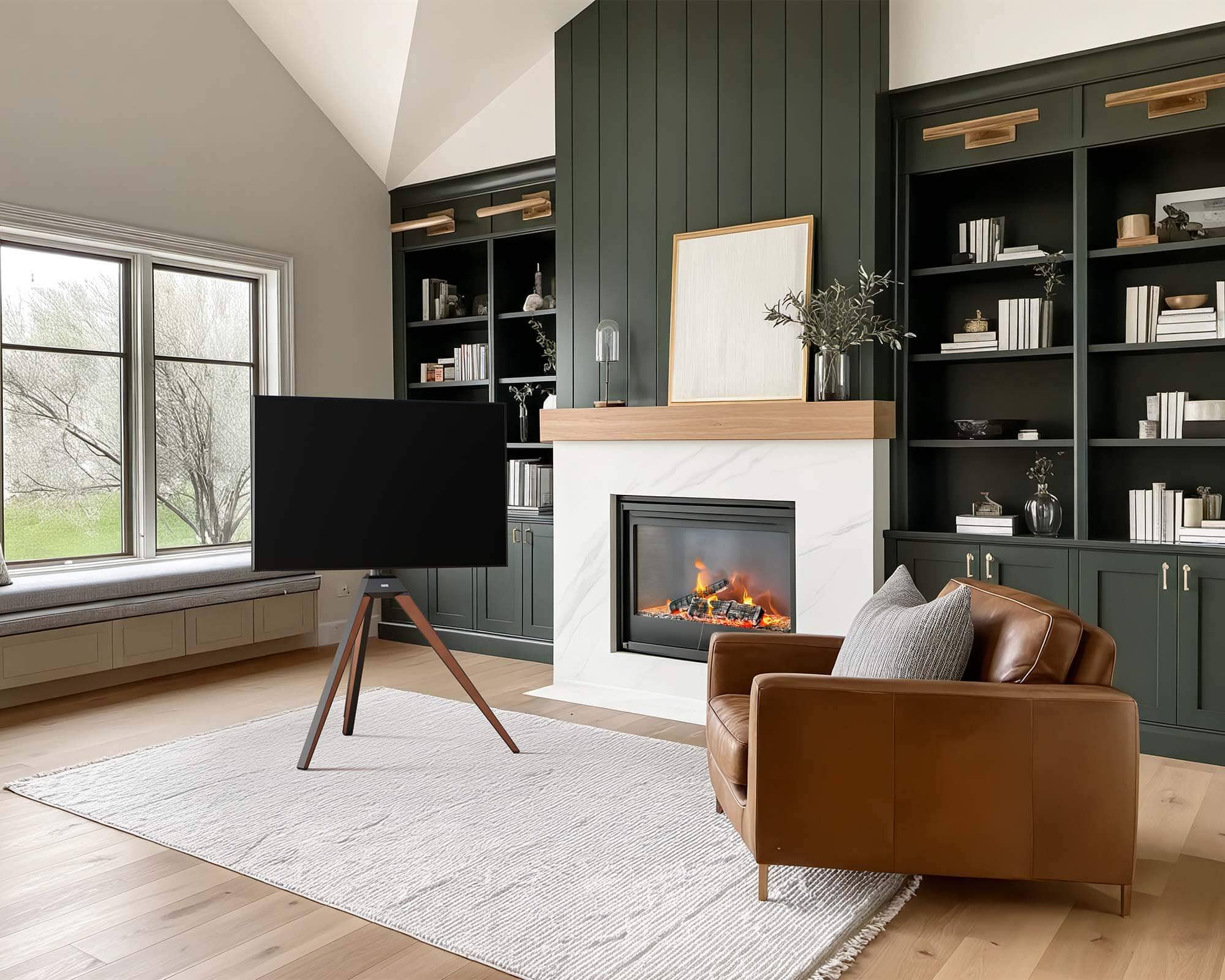
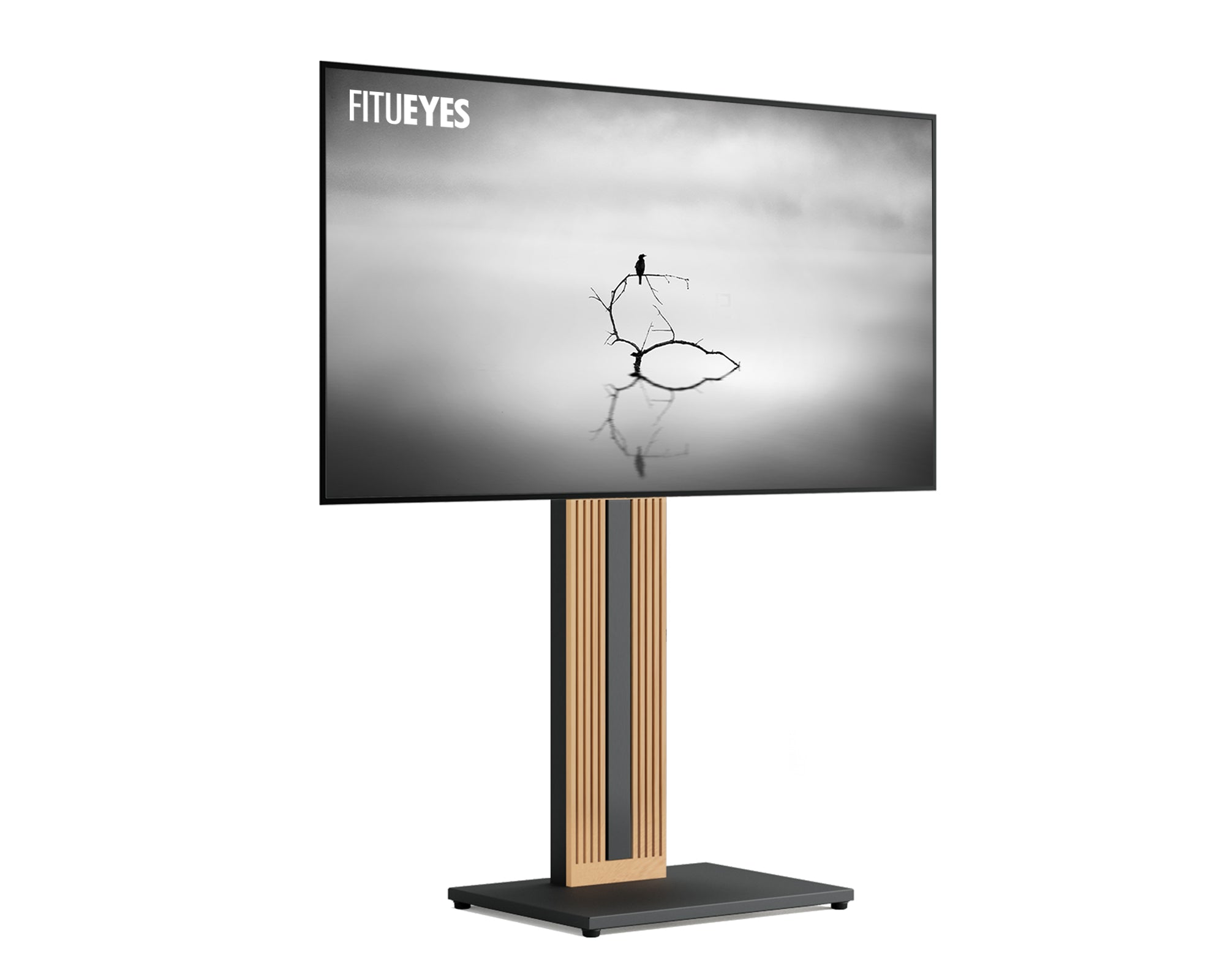
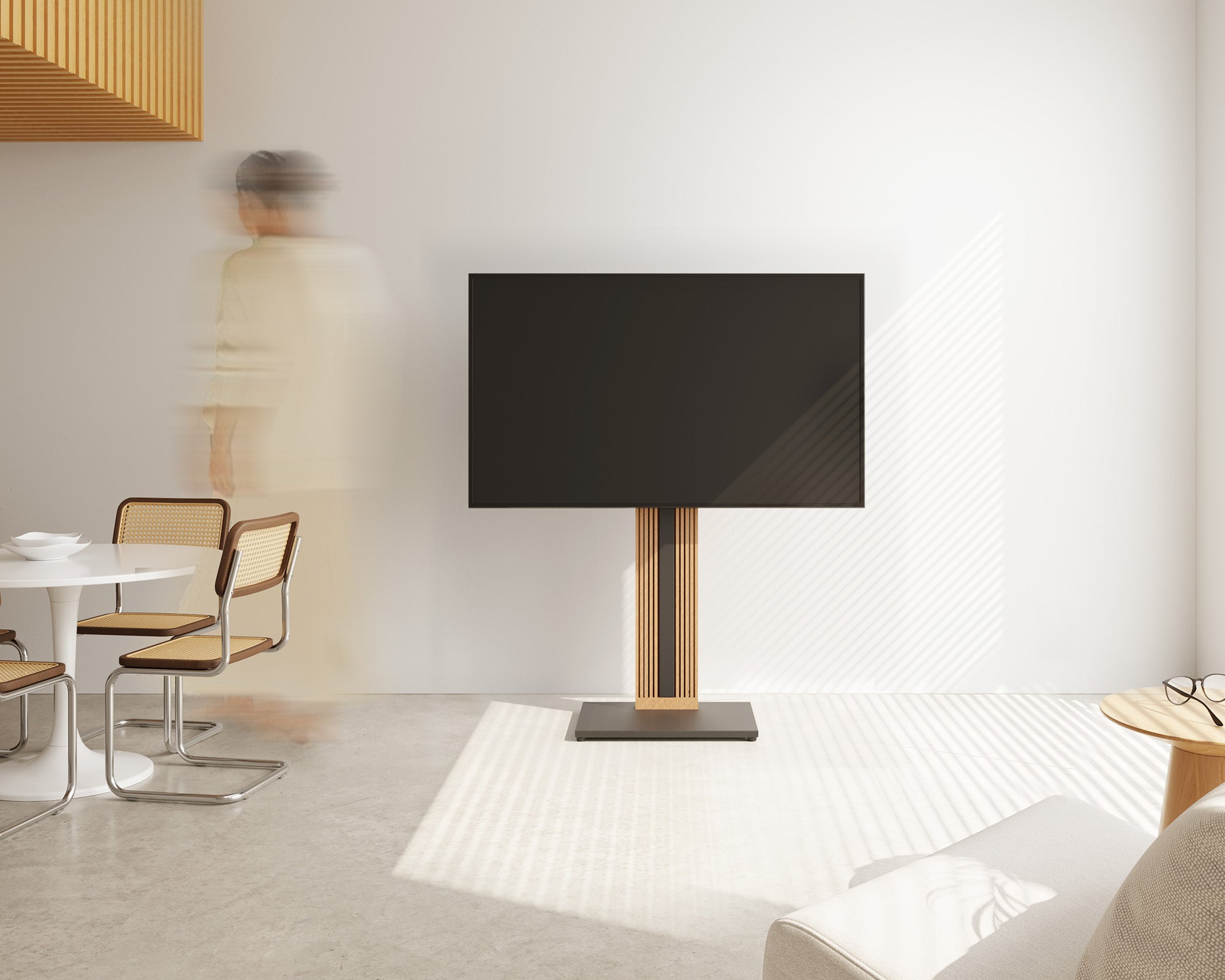
For renters, drilling into exterior walls is often prohibited, making freestanding and mobile furniture a far more practical solution. A mobile outdoor TV stand, for instance, allows you to create a genuine entertainment area on your balcony without altering the property structure. You can easily reposition it depending on sunlight or seating arrangements. This means your balcony can function as a peaceful reading spot during the day and transform into an outdoor cinema in the evening — all without permanent installation. This flexibility is especially valuable when working with limited space and multiple uses.

Step 3: Terrace Design – Use Zoning to Maximise Functionality
A medium-sized terrace offers significantly more design flexibility. The key to a successful terrace redesign lies in thinking in zones. Instead of treating the terrace as one large, undivided surface, divide it into separate functional areas.
Organise your terrace according to how you intend to use it:
- Dining area — positioned close to the house for easy access to the kitchen when cooking and serving meals.
- Lounge area — placed slightly further out, featuring sofas or armchairs arranged for relaxed conversation.
- Entertainment zone — reserved specifically for film nights, sports viewing, or social gatherings.
This type of zoning does not require walls or structural alterations. Outdoor rugs, carefully positioned lighting, and strategic furniture placement naturally separate each area. If you incorporate a mobile TV stand into the design, it can remain in the entertainment zone for outdoor cinema evenings or be moved closer to the dining area so guests can watch the match during dinner. This adaptable layout allows your terrace to suit every occasion without major reconfiguration.
Step 4: Garden Design Ideas – Structure the Space for Better Flow
If you have a larger garden, redesigning it should involve more than simply arranging furniture. The goal is to establish a clear spatial hierarchy that creates structure and smooth transitions throughout the entire outdoor area.
A well-planned garden layout typically follows this structure:
- Near the house: Dining and barbecue area — practical for entertaining guests and maintaining easy access to the kitchen.
- Middle section: The social lounge — the heart of the garden, designed with a corner sofa, fire pit, or comfortable seating where family and friends naturally gather.
- Outer areas: Garden retreat or entertainment zone — quieter and more private, ideal for a reading corner, lush planting, or an outdoor cinema setup.
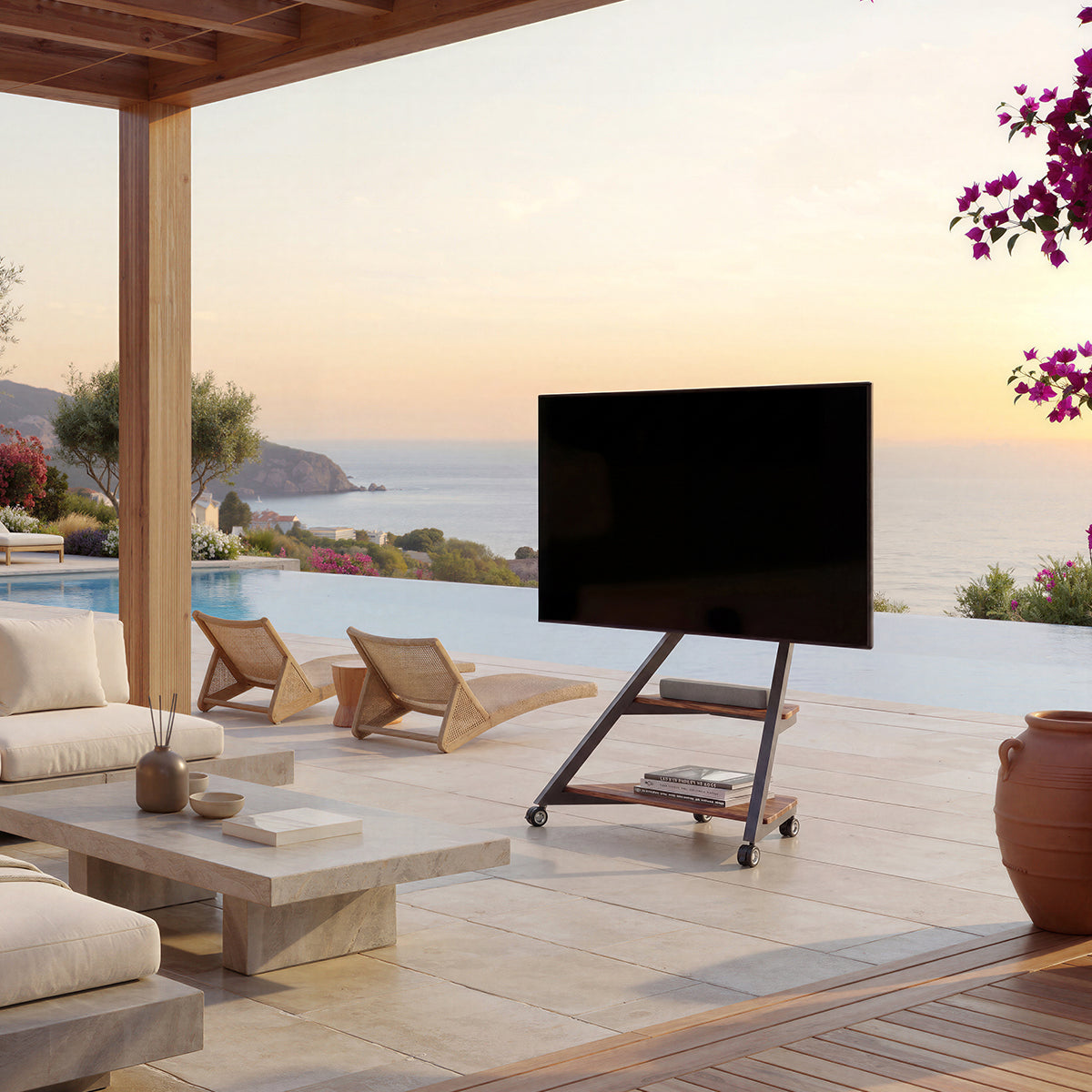
This layered approach creates a natural sense of organisation. When integrating a screen for outdoor entertainment, flexibility is essential. A permanently wall-mounted television requires fixed installation and limits viewing angles. By contrast, a mobile outdoor TV stand can easily be repositioned between the terrace and garden depending on the season or occasion — without drilling or permanent alterations.

Step 5: Choose Flexible, Mobile Furniture – It Makes All the Difference
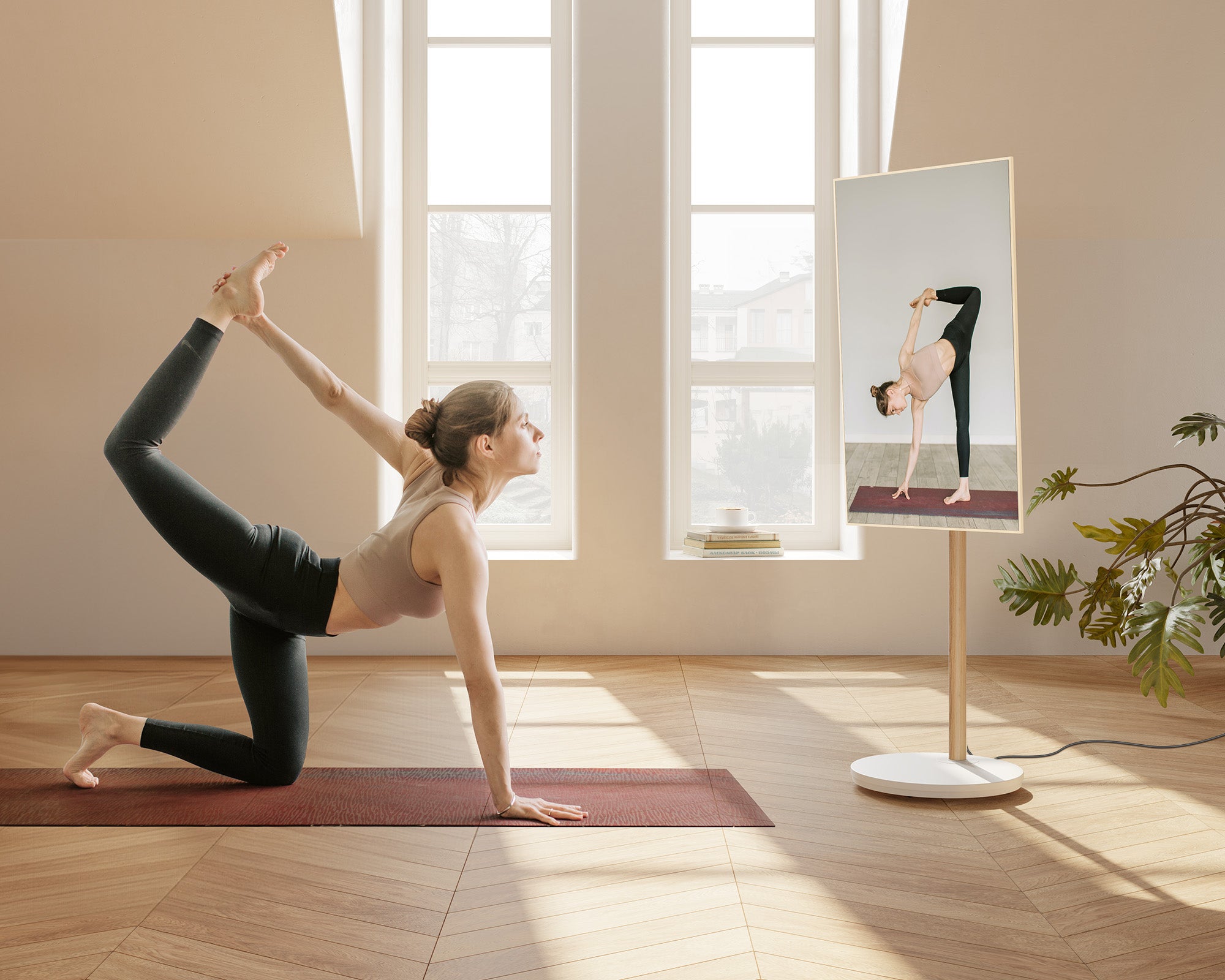
One of the defining outdoor living trends for 2026 is flexibility. Modern outdoor spaces are expected to adapt throughout the day — functioning as a morning coffee spot, an outdoor workspace, an evening entertainment area, or a social hub at the weekend.
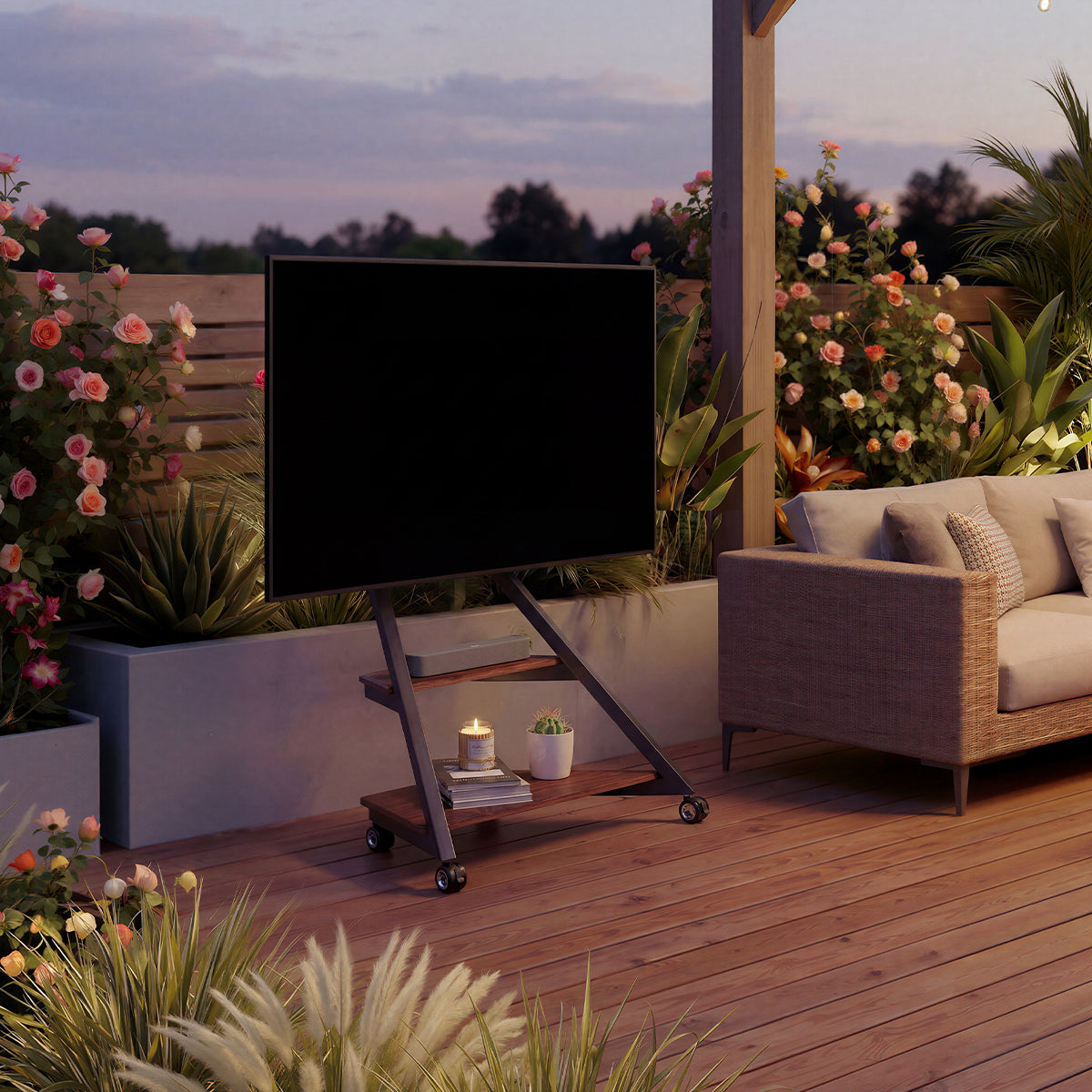
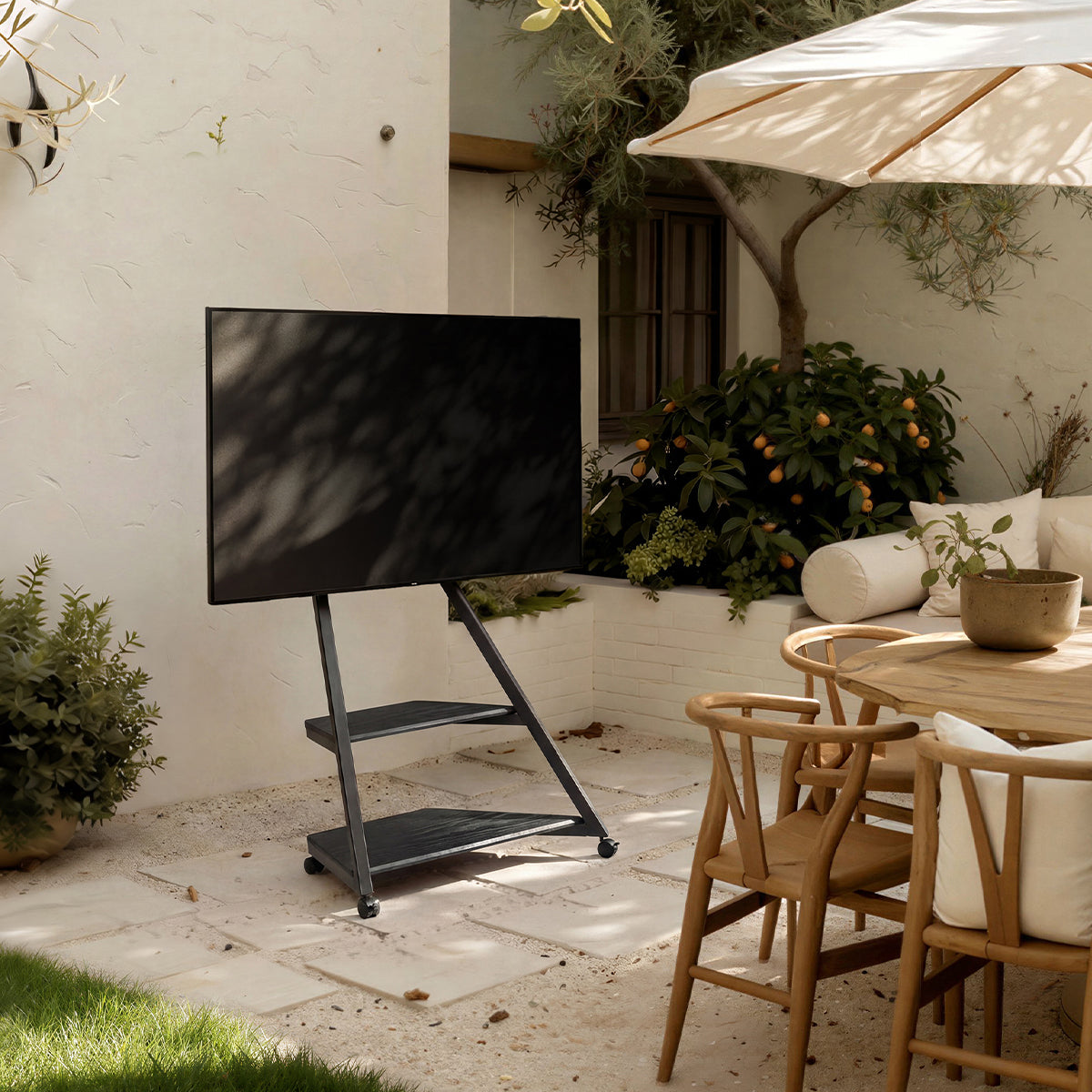
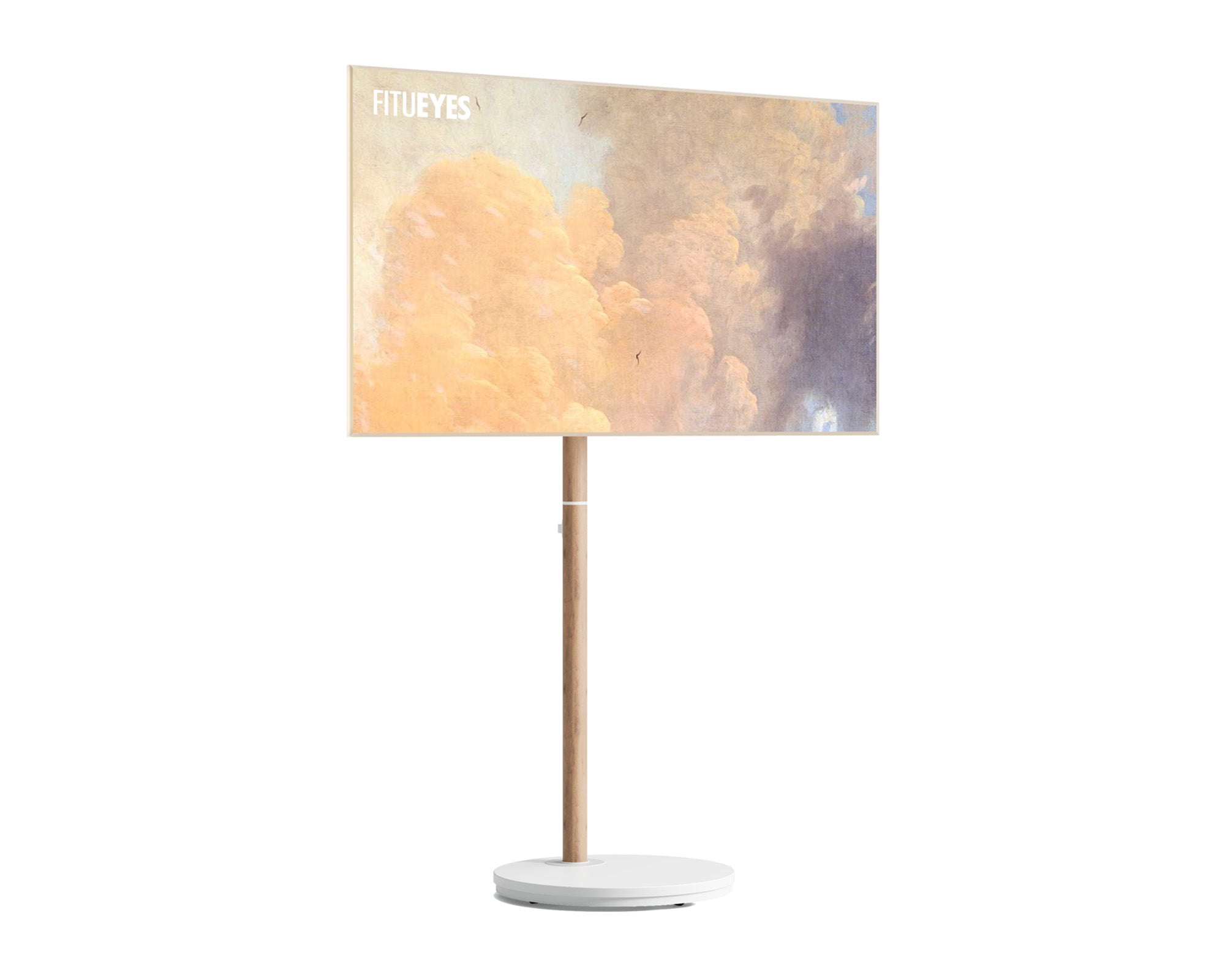
This is precisely why lightweight, movable furniture has become central to contemporary balcony and garden design. A mobile TV floor stand is a perfect example of this philosophy in practice. Unlike fixed installations, it allows you to reposition the screen according to sunlight, adjust layouts for different group sizes, or clear the entire area whenever you want a different setup. Particularly in smaller outdoor spaces, this versatility dramatically improves the usability of every square metre.
Step 6: Design for Change, Not Just for Today
The ideal outdoor space is not a rigid, finished product — it is a flexible environment that evolves with your lifestyle and the changing seasons. Instead of trying to achieve one “perfect” layout, focus on creating a space that remains adaptable:
- Choose furniture that can easily be rearranged.
- Keep the layout open and uncluttered.
- Invest in multifunctional pieces.
- Allow each zone to change purpose when needed.
This mindset makes your outdoor redesign genuinely sustainable — comfortable and functional all year round. Whether you are designing a balcony, terrace, or an entire garden, a well-planned and flexible space enhanced with a TV stand or other movable elements will always outperform a purely decorative but rigid design concept.
Conclusion
A successful outdoor redesign does not necessarily mean adding more elements — it is about using the available space more intelligently. By starting with a clear purpose, applying smart zoning principles, and choosing flexible solutions such as a mobile TV stand instead of expensive fixed installations, you can create an outdoor area that feels both premium and genuinely liveable.
The best part? You do not need a huge budget or a full-scale renovation to achieve it. In 2026, the most effective outdoor design ideas are simple, adaptable, and closely aligned with the way people actually live.
Ready to transform your outdoor space? Explore the TV stands from FITUEYES to find the ideal mobile TV floor stand for your balcony, terrace, or garden.